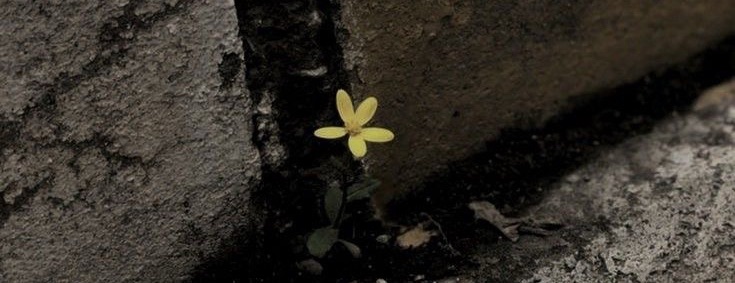
Grief is a strange thing. People tend to imagine it only belongs at funerals, tucked between black clothes and wilting flowers, everyone clutching tissues and whispering about how unfair life is. But grief doesn’t need death to exist. It has this habit of creeping into places you don’t expect, and I’ve learned the hardest grief to sit with isn’t always the one that comes after someone passes. It’s the grief that arrives when someone is still very much alive, still moving through the world, still technically part of your family, but gone from your life in every way that matters.
I never thought I’d understand how different those two experiences would feel until I had to live through both. When someone dies, the pain is brutal, yes, but it’s also final. There’s a twisted kind of peace in knowing the story is closed. You can tell yourself they’re in a better place, you can hold on to the good memories without constantly reopening wounds. I can trick my brain into believing they’re still around, just not here. Maybe somewhere safer or quieter. And eventually, even though it’s never easy, you start to carry that grief a little lighter. It weaves itself into your days instead of crushing you.
But when that person you’re grieving is alive, when they’re still out there breathing the same air as you, that’s a different kind of torment. It’s like carrying a ghost that doesn’t want to leave. You’re left with questions that never get answered, habits that never really die off. Your mind circles them constantly – wondering where they are, if they’re safe, if they ever think of you, if they even care. It’s not a wound that scars over. It’s a wound that keeps reopening every time you catch their name, every time you drive past a place you associate with them, every time you see a face that looks vaguely like theirs.
And because it’s family, it cuts deeper. We’re taught that family is the one thing that’s supposed to be unshakeable. Blood is thicker than water blah blah blah… all those phrases people throw at you like plasters over a bullet wound. We’re told that family is forever, that no matter what happens you stick it out, because that’s your blood. But the reality is that blood doesn’t guarantee kindness. Blood doesn’t mean safety. And blood doesn’t mean you should sacrifice your own peace just to keep the illusion of family alive.
I’ve had to learn that the hard way. When it’s family you have to step back from, the grief is tangled up in guilt. You replay every decision, every argument, every word you wish you hadn’t said, or wish you had said louder. You feel torn between wanting to protect them and knowing that protecting them destroys you. There’s this constant tug of war between your head and your heart – one side screaming at you to reach out, check if they’re okay, hold onto them no matter what, and the other side whispering that you’ve already tried, you’ve already bled for it, and going back would only reopen every old wound.
That’s the cruelty of grieving someone who’s alive. You don’t just lose them once. You lose them every single time you think about them and realise you can’t let them back in. You lose them every time you see other families doing the things yours can’t anymore. You lose them in tiny little moments, over and over, until eventually you train yourself not to look at the loss directly because it’s just too much.
And yet, the world doesn’t really recognise this grief. There are no funerals, no cards in the post saying ‘sorry for your loss’. Nobody knows what to say when you admit that you’ve had to treat someone alive as though they’re dead to you. They look at you like you’re cold, like you’re heartless, like you’ve committed some kind of betrayal. But the truth is, sometimes the betrayal was theirs first. Sometimes the betrayal was what they did to you, how they made you feel, how they chipped away at you until there was nothing left to give. Cutting them off isn’t about not loving them anymore. It’s about realising that loving them was breaking you.
I think that’s why, weirdly, I’ve found it easier now to cut people off. Once you’ve lived through the grief of losing people you’ve been the closest to – alive or not – you realise you can lose anyone. It doesn’t mean that you don’t care. It doesn’t mean you’ve turned to stone. It just means you’ve learned where your own limits are. You’ve learned that keeping someone in your life at the expense of your own sanity isn’t noble, it’s self-destruction. And once you’ve tasted that freedom, once you’ve chosen peace over chaos, you start to protect it with everything you’ve got.
That doesn’t mean it’s easy. God, no. It’s never easy. Even now, I catch myself thinking about the people I’ve had to grieve while they’re still alive. I wonder if they’re okay, if they’re eating, if they’re happy. I wonder if they’ll ever look back and realise what they lost. Sometimes I picture them walking through the door, apologising, promising to do better, and us picking things back up where they left off. And then I remind myself that I’ve pictured that scene a thousand times before, and it never came true. That the apology I’m waiting for doesn’t exist. That even if they did show up tomorrow with flowers and promises, the trust is gone, and the damage is real.
It’s a hard truth to swallow, but it’s the one that keeps me steady: you can love someone deeply and still need to let them go. You can mourn them even as they live. You can carry their memory while refusing to carry the weight of their choices anymore. That doesn’t make you cruel. It makes you human.
The grief of the living doesn’t come with flowers or headstones, but it deserves to be named. It deserves to be spoken about, because too many people walk around with these invisible ghosts sitting on their shoulders, feeling like they can’t talk about it because the person isn’t even dead. But trust me, the absence feels just as loud. The silence feels just as heavy.
And maybe the strangest part is how it changes you. Once you’ve grieved people who are still alive, you don’t view relationships the same way anymore. You become sharper about boundaries. You notice red flags faster. You protect your energy like it’s a rare currency, because it is. You know firsthand what it costs to give it all away to someone who doesn’t treat it with care. People might say you’re too quick to cut others off, but they don’t understand the battles you’ve already fought, the funerals you’ve held in your own head for people who are still out there somewhere, living their lives without you.
But the longer I sit with it, the more I realise that grief – whether for the dead or the living – is just proof of how deeply we can love. The pain is sharp because the love was real. The absence hurts because the presence once mattered. And even though I wouldn’t wish this kind of grief on anyone, I do think it has shaped me. It has made me stronger, sharper, more protective of the life I’m building. It has taught me that not everyone deserves access to me, no matter what title they hold or what DNA we share.
Grieving the living doesn’t mean I hate them. It doesn’t mean I wish them harm. If anything, I still hope they’re okay, still hope they find peace, still hope they heal. But I’ve accepted that their healing isn’t my responsibility. That my love, as much as it wanted to save them, wasn’t enough to change them. And that’s the most painful, but also the most freeing lesson of all.
Because in the end, grief is just love with nowhere to go. And when it’s for the living, it feels messy and unfair and never-ending. But choosing to carry that grief without letting it consume you? That’s where the strength comes in. That’s where you take back control. And that’s why, no matter how many ghosts of the living I end up carrying, I know I’ll always keep moving forward.
— Lilly x

Leave a comment